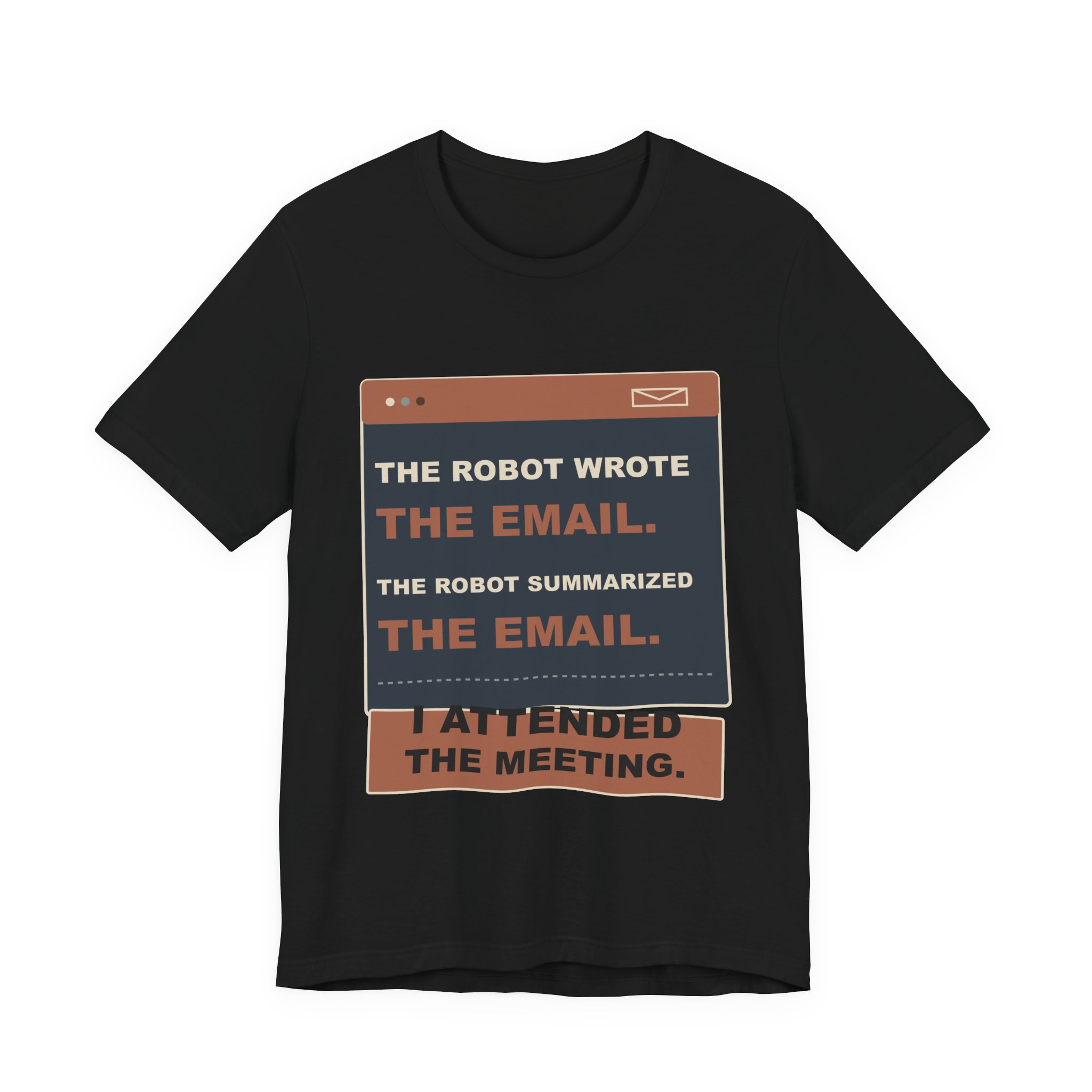
The best funny coworker gifts point at a shared work experience, fit the office’s normal budget and tone, and remain useful after the exchange. A mug usually carries the least fit risk; choose a T-shirt only when you know the recipient’s preferred fit, and a hat only when they already wear hats.
The joke should say, “I appreciate surviving meetings with you,” not, “Please save this for the investigation.” Aim for something specific enough to feel personal and universal enough to survive being seen beside the copier.
Quick answer by workplace situation
| Recipient or occasion | Safer direction | Extra check |
|---|---|---|
| Peer or close teammate | A shared meeting, email, dashboard, priority, or login frustration | Would it still work without the private backstory? |
| Boss or manager | Neutral operational humor with an ordinary price | Does it avoid flattery, criticism, or pressure to reciprocate? |
| Direct report | Broad, optional humor that carries no performance message | Could declining to display or use it feel uncomfortable? |
| Secret Santa or group exchange | A recognizable work situation that needs no personal information | Check the group’s current spending cap and the live product price |
| Remote coworker or farewell | A joke tied to a shared routine rather than an inside insult | Confirm the recipient wants the item and where it should be sent |
Funny Secret Santa and white elephant gifts for coworkers
For a workplace Secret Santa, choose for the named coworker. For an office white elephant or Yankee swap, choose for the whole room. Either way, the useful target is the same: an office-safe joke, a product people will actually use, and a live price that fits the exchange’s current spending cap.
| Exchange | What you know | Safer approach | Check before buying |
|---|---|---|---|
| Secret Santa | You know the recipient | Match a shared work situation to something they already use | Confirm tone, product preference, current price, and clothing fit if needed |
| White elephant or Yankee swap | Anyone in the group may leave with it | Choose broad, useful work humor that needs no private backstory | Check the swap rules, spending cap, and whether gag gifts are actually welcome |
| Remote or hybrid exchange | The recipient may not share your location | Favor low-fit-risk products and let them approve where an item is sent | Use the live checkout estimate; do not promise an arrival date |
| Manager-organized exchange | Participation and hierarchy may affect the room | Keep the gift modest, optional, and unrelated to performance | Check company policy and avoid pressure to participate or display the gift |
Use three filters before the wrapping paper
- Exchange rule: Find out whether the group expects a thoughtful present, a steal-worthy useful gift, or a pure gag. Those are three different assignments wearing the same seasonal sweater.
- Recipient risk: A mug avoids clothing size. A hat works best for someone who already wears hats. A T-shirt needs preferred fit and enough recipient knowledge to avoid turning a surprise into inventory.
- Second-use test: Ask whether the item remains useful after the reveal. The laugh matters, but the better gift still has a job in January.
Budget searches often use a fixed number, but an evergreen guide should not freeze a price that can change. Start with the group’s current cap, then compare it with the live product price and delivery estimate. If the number or timing does not fit today, choose a different current product instead of relying on an old fixed-price promise.
Start with the relationship, then add the room
You may know a coworker well, but the gift will probably exist in a shared environment. Apply two tests:
- Relationship test: Would this joke feel normal in a private conversation between you?
- Room test: Would it still feel reasonable if a manager, client, intern, or visiting relative saw it without context?
A good coworker gift passes both. If it only passes the first, it may belong in a private card. If it passes neither, congratulations on identifying an object that should remain in your cart indefinitely.
Choose shared-frustration humor
The safest funny work gifts point at situations rather than people: an AI email loop that still creates a meeting, a dashboard measuring the time it was meant to save, plans that are buffering, tiny administrative wins, an urgent task that expires at completion, or a successful login that alarms security.
Shared-frustration humor works because the recipient can choose how personally to take it. It says, “Work is strange,” not, “I have completed an unsolicited performance review.”
Office-safe does not have to mean generic
“Best coworker ever” can be harmless, but it rarely proves that you noticed the person. A stronger gift names a situation they willingly joke about: the unnecessary meeting, the AI-generated admin loop, the task that stopped mattering at completion, or the tiny win that deserved its own department. Personalize the observation, not the recipient’s body, identity, private life, or job security.
Check the power dynamic
Gifts move differently across a hierarchy. A joke from a peer may feel friendly; the same joke from a manager can feel like feedback. A gift to a boss can look like pressure or strategic admiration if it is too expensive. Keep workplace gifts modest, optional, and free of messages about competence, appearance, money, age, health, politics, or private life.
If there is a company gift policy, use it. Compliance is not the funniest part of gift giving, but neither is scheduling a clarification meeting.
Pick the product for the workplace
| Product | Workplace advantage | Question to ask |
|---|---|---|
| Mug | Useful at a desk or break area; no clothing size | Do they actually drink from mugs, and is shared-dish disappearance a local problem? |
| Hat | Low size risk and easy to use outside work | Do they already wear hats? |
| T-shirt | Memorable and expressive | Do you know their preferred fit, and is the joke suitable outside a private chat? |
Avoid the usual traps
- Do not make protected characteristics the premise. Identity is not office decoration.
- Do not joke about job security or performance. “You’re bad at your job” is not transformed into affection by ceramic.
- Do not require an explanation. If the joke needs a five-minute briefing, it is now a meeting.
- Do not overspend. Match the team’s norms and avoid creating an obligation.
- Do not assume public display. Give the recipient room to use it where they choose.
The ten-second coworker check
Would you be comfortable saying the joke aloud with the recipient, your manager, and a new employee standing there? Does it point at a shared situation rather than a personal vulnerability? Is the price ordinary for your workplace? Will the product be useful? If yes, you are in the good zone. If your answer begins, “Technically…,” step away from the checkout button.
Before you buy
- Check any employer gift, ethics, or spending policy that applies to the relationship.
- Use the current product page for price, options, material, care, and delivery information.
- If clothing size is uncertain, measure a shirt they like, ask, or use a choice-preserving gift note instead of guessing.
- Give privately when public attention would turn a good joke into an obligation.
- Let the recipient decide whether and where to display or wear it.
Set the Funny Gift Finder to “coworker” and “office-safe” for current recommendations. If fit is the unresolved part, use the unknown-size gift guide. For a curated commercial route, visit Funny Work Shirts, or return to the Funny Gift Guides.