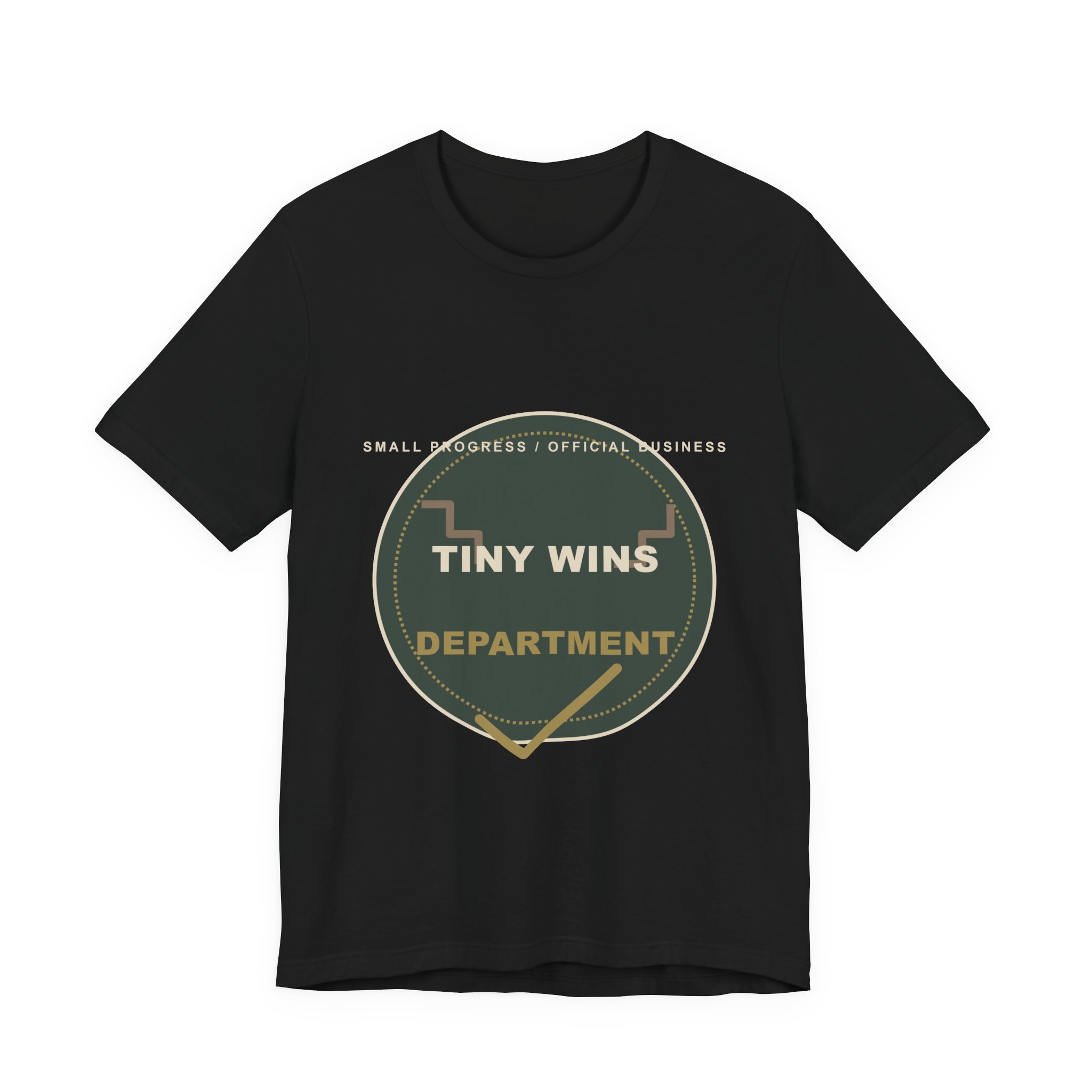
To choose a funny gift for a friend, identify the jokes they repeat, the delivery style they prefer, the rooms where they would use the gift, and the habits they willingly joke about. Then choose a product they already wear or use.
“Funny” still includes deadpan one-liners, twelve-minute stories, aggressively bad puns, niche references, and making direct eye contact when the printer fails. The goal is not to buy the loudest joke in a search result. It is to choose one that sounds like them without asking, “Which exact gift would you like me to surprise you with?”
1. Build a one-sentence humor profile
Complete this sentence: “They laugh hardest at ______, especially when ______.” A useful answer might be, “They laugh hardest at work-chaos jokes, especially when the joke is dry instead of loud,” or, “They love dad jokes, especially when everyone else groans.”
A weak answer is, “They like memes.” That is not a profile; that is evidence they possess a phone. Narrow it with two questions:
- What do they repeat? Notice jokes they quote days later, not just posts they tap once while waiting in line.
- What do they joke about themselves? Their harmless habits, AI-assisted work, dinner-decision fatigue, urgent-task whiplash, distrust of login security, or quarterly laundry performance are safer territory than traits other people tease them about.
Read delivery before topic
Two people can both enjoy jokes about work and want completely different gifts. One likes understated observations; the other wants a pun visible from another department. Delivery style is often the more useful clue.
| Humor style | What to notice | Safer gift direction |
|---|---|---|
| Dry and deadpan | Small reactions, precise wording, jokes delivered as facts | Clean type and understated absurdity |
| Dad-joke energy | Puns, deliberate groans, visible satisfaction after the groan | An immediate read that is proudly corny |
| Self-roasting | They joke about their own plans, memory, or competence | A harmless habit they already claim |
| Work-chaos humor | Calendar, meeting, password, or admin jokes | A shared frustration, never a named person or employer |
| Niche references | Specific hobbies, communities, or recurring group lore | A reference you know is current and meaningful |
2. Separate “their joke” from “your joke about them”
A good funny gift often feels like recognition: “You understand my particular nonsense.” A bad one can feel like an evaluation wearing gift wrap. Before buying, ask who normally makes this joke. If the recipient already jokes that every urgent task stops mattering at completion, that design is affectionate. If only their annoyed manager says it, maybe purchase a nice neutral mug instead.
The safest personal joke points toward an identity the recipient already claims, not an insecurity you have independently identified.
3. Run the three-room test
Picture the gift in three places: at home, around friends, and in the most public setting where they might use it. A design does not need to fit every room, but you should know which room it belongs in.
- Home: Private and specific humor has the most room here. A mug can be wonderfully niche because the audience may be one person and a suspiciously judgmental cat.
- Friends: Shared stories and mild roasts work when the group already knows the context.
- Work or public spaces: Favor humor about universal frustrations, harmless habits, or the wearer’s own perspective. Avoid identity, appearance, politics, medical topics, or anything requiring a defense presentation.
4. Gather clues without wearing a fake mustache
You probably have enough evidence already. Review their recent messages, the objects they use repeatedly, and the clothes they choose when no one is styling them. Pay attention to pattern, not one isolated joke. One cat video does not automatically make someone Minister of Cats.
For clothing size, quietly measure a shirt they wear often. Measure the garment flat across the chest and from the highest shoulder point to the hem, then compare those numbers with the exact product chart. Do not estimate from height, body type, or the mystical aura of “probably a medium.”
5. Choose the product by where the joke belongs
| Product | Best when | Main risk |
|---|---|---|
| T-shirt | They enjoy wearable conversation starters and you know the fit | Size and public visibility |
| Hat | They already wear hats and like a quick visible statement | Style preference matters |
| Mug | The joke belongs at a desk, kitchen, or daily drink ritual | They may already own approximately one mug per emotional state |
If you do not know their shirt size, that is not a moral failure. Use the guide to funny gifts when size is unknown or let the Funny Gift Finder move mugs and hats higher in the results.
6. Use the ten-point “would they actually use it?” check
- They already make this kind of joke. +2
- The humor is aimed at a habit they claim, not a vulnerability you discovered. +2
- The product fits something they already wear or use. +2
- You know the likely audience and the joke works there. +2
- You checked the current product details, price, and timing. +2
Eight to ten points is a strong gift. Five to seven needs another look. Below five means the gift may be more about your excellent taste than their actual life, which is a beautiful thought to keep private.
Browse every current option on the Shop by Design page, or return to the Funny Gift Guides.