A graphic T-shirt fits well when its width, length, shoulder, and sleeve create the silhouette you want without unwanted pulling or restriction. Measure a favorite shirt flat, compare garment dimensions with garment dimensions, and treat the size label as a starting point rather than the answer.
This universal method works with any accurate garment chart. For the actual S-3XL dimensions in the current Funny Or Dye collection, use the Funny Or Dye T-shirt size chart. For the rest of the series, visit Funny T-Shirt Guides.
Size and fit are different decisions
A size label is a manufacturer’s name for a set of dimensions. Fit is the relationship among a garment’s dimensions, a person’s body, and that person’s preference. That is why the same label can feel close on one shirt, roomy on another, and technically correct while still creating the wrong look.
- Closer fit: less extra room through the chest and body, without unwanted pulling.
- Classic fit: comfortable movement with a familiar straight shape.
- Relaxed fit: more ease through the body and often a looser sleeve.
- Oversized look: intentionally generous width or length, chosen as a style rather than by accident.
These are descriptions, not rules. Shoulder shape, sleeve opening, torso length, mobility, and personal comfort can change the result. Choose the look before choosing the label.
How to measure a T-shirt flat
Choose a clean T-shirt that already fits the way you want the new one to fit. Lay it on a flat surface and smooth it without stretching. Use a flexible tape measure and follow the same endpoints shown by the chart you plan to use.
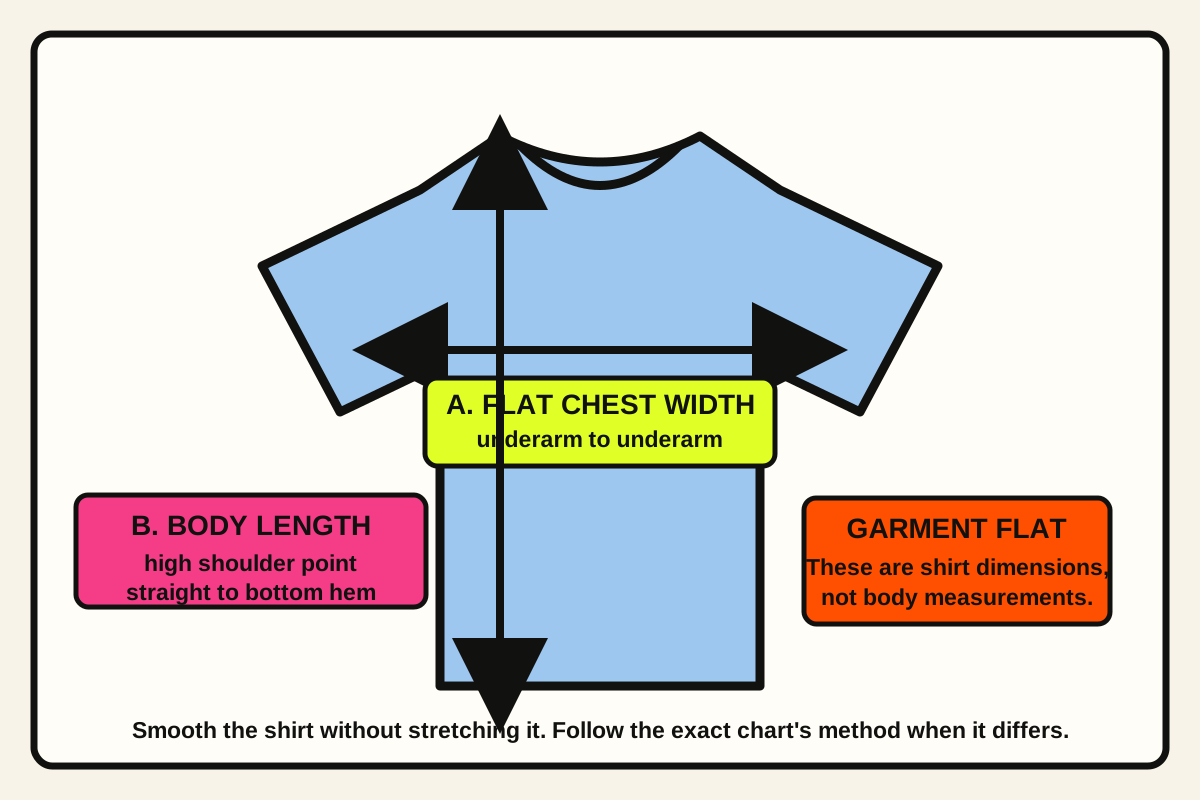
A. Flat chest width
Measure straight across the shirt from one underarm area to the other. This is a flat garment width. It is not the wearer’s chest circumference, and it should not be compared directly with a chart labeled body chest or body measurements.
B. Body length
Measure from the high shoulder point near the collar straight down to the bottom hem. Check where the reference shirt ends while the wearer stands, sits, and reaches. A width match alone can still feel wrong when the new shirt is meaningfully longer or shorter.
Shoulder and sleeve clues
Not every chart lists shoulder width or sleeve length. The reference shirt still helps: notice where the shoulder seam sits, how the sleeve opening feels, and where the sleeve ends. Product photos show styling context, but perspective and model proportions make them a poor substitute for measurements.
Garment dimensions are not body measurements
This is the comparison that prevents the most confusion. A flat shirt width describes one side of a garment. A body chest value describes a person’s circumference. A chart may use either method, so read its label and diagram before comparing any number.
| Value | What it measures | Compare it with |
|---|---|---|
| Garment width | A shirt laid flat, underarm to underarm | The same flat measurement on a favorite shirt |
| Garment length | A shirt from high shoulder point to bottom hem | The same length on a favorite shirt |
| Body chest | The person’s chest circumference | A chart explicitly labeled body measurements |
When a chart’s method is unclear, do not improvise a conversion and call it exact. Ask the seller or choose a source that labels its endpoints and whether the values describe the garment or the body.
Compare width and length without false precision
Garments can vary within the tolerance stated by their size guide. Treat a chart as a practical comparison tool, not a promise that every physical shirt will equal a number perfectly. Record your reference measurement to the nearest useful fraction instead of creating confidence the source cannot support.
If a favorite shirt falls between listed sizes, decide which difference matters more. More width can change ease and the way a graphic sits; more length can change coverage and proportion. Compare both dimensions instead of moving up or down from one number alone.
Do not use gender labels as measurements
Words such as unisex, men’s, women’s, fitted, retail, classic, and relaxed may describe a general cut. They are not measurements and they do not define who can wear a garment. Width, length, shoulder, sleeve, mobility, and the wearer’s preference are more useful.
When buying for someone else, avoid estimating from appearance. Measure a frequently worn shirt when you can, or give the recipient control over the final size. The funny T-shirt gift guide has a no-guessing path for surprises.
Follow product care, not shrinkage folklore
Do not choose a size by assuming every shirt will shrink by the same percentage. Fiber content, construction, laundering, drying, heat, and the individual garment can matter. Use the care information for the specific item rather than a rule copied from another shirt. This guide makes no universal shrinkage, durability, or production promise.
Fit checklist before ordering
- Choose closer, classic, relaxed, or oversized as the intended look.
- Measure a shirt that already creates that look.
- Confirm whether the chart shows garment or body measurements.
- Compare width and length using the same endpoints.
- Read the stated measurement tolerance.
- Verify the exact item’s current options, care, and policy information.