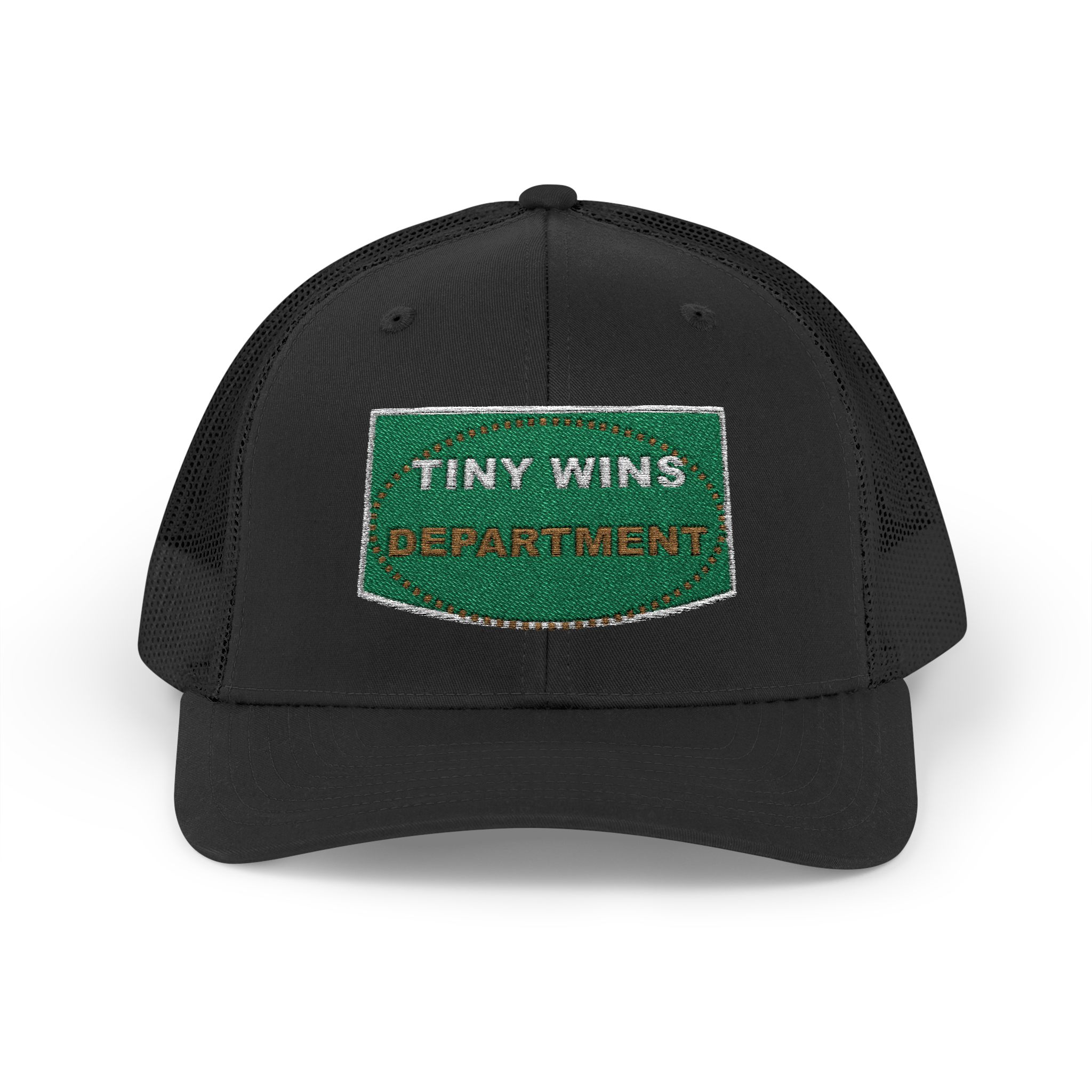
Choose a mug, hat, or T-shirt by matching the format to a habit the recipient already has. Use a mug for a desk or drink ritual, a hat for someone who already wears hats, and a T-shirt when they enjoy wearable jokes and you know their preferred fit.
The quickest answer
- Choose a mug when the joke belongs in a daily drink ritual, desk, kitchen, or lower-risk gift.
- Choose a hat when they already wear hats and enjoy a visible message without choosing a shirt fit.
- Choose a T-shirt when the joke matches their public style and you know the fit they prefer.
Decision 1: Where should the joke perform?
A mug performs at close range. It can be niche, quiet, and repeatedly funny to the same small audience. A hat performs at face level and often reads quickly. A T-shirt offers the largest wearable canvas and becomes part of an outfit, which gives the joke more presence and more responsibility.
Ask where the recipient would enjoy the joke most. A schedule line may be perfect on a work mug. A detour joke may fit a travel hat. A bold personal motto may deserve a shirt. The same design can work across products, but context changes its volume.
Decision 2: What do they already use?
Existing behavior is stronger evidence than gift-shop imagination. If they wear hats weekly, a hat is plausible. If every cabinet shelf is occupied by mugs and they always use the same one, another mug may face a difficult audition. If they live in graphic tees, a shirt makes sense—provided you know the preferred fit.
| Signal | Likely best format |
|---|---|
| Daily coffee or tea routine | Mug |
| Regular hat wearer; outdoor time; casual uniform | Hat |
| Graphic tees already in rotation; known fit | T-shirt |
| Unknown clothing size | Mug first, adjustable hat second |
| Needs a visible conversation starter | T-shirt or hat |
| Prefers private, desk-level humor | Mug |
Decision 3: How much practical risk can you tolerate?
T-shirts require size and fit knowledge. Hats reduce that problem but still depend on style preference. Mugs remove clothing decisions but introduce breakability, storage, and drink-habit questions. No option is risk-free; gift giving remains stubbornly connected to knowing another human.
If you want a shirt and do not know the size, measure a favorite garment or invite the recipient to choose. The guide to funny gifts when you do not know their size explains both approaches.
Decision 4: Does the design fit the canvas?
Readability matters. A joke should be understandable without prolonged examination of someone’s torso or a formal request to rotate their mug. Use the product images to judge scale, contrast, placement, and how much of the artwork remains visible during normal use.
The tie-breaker
Estimate uses in the first month. If you can picture ten mug uses, six hat outings, and one uncertain shirt appearance, choose the mug. A useful gift has more chances to become beloved. This is not perfectly scientific, but it is more useful than asking which thumbnail has the strongest aura.
Final product check
- Confirm the product and variants are currently available.
- Check the live price against your budget.
- Review product-specific sizing, materials, care details, and delivery estimates.
- Make sure the product image shows the design at a scale the recipient will enjoy.
The Funny Gift Finder can filter recommendations by product, budget, and size confidence. You can also choose a design first and see all available products, or return to the Funny Gift Guides.